Car Key Replacement by Vehicle Brand — What the Process Actually Involves
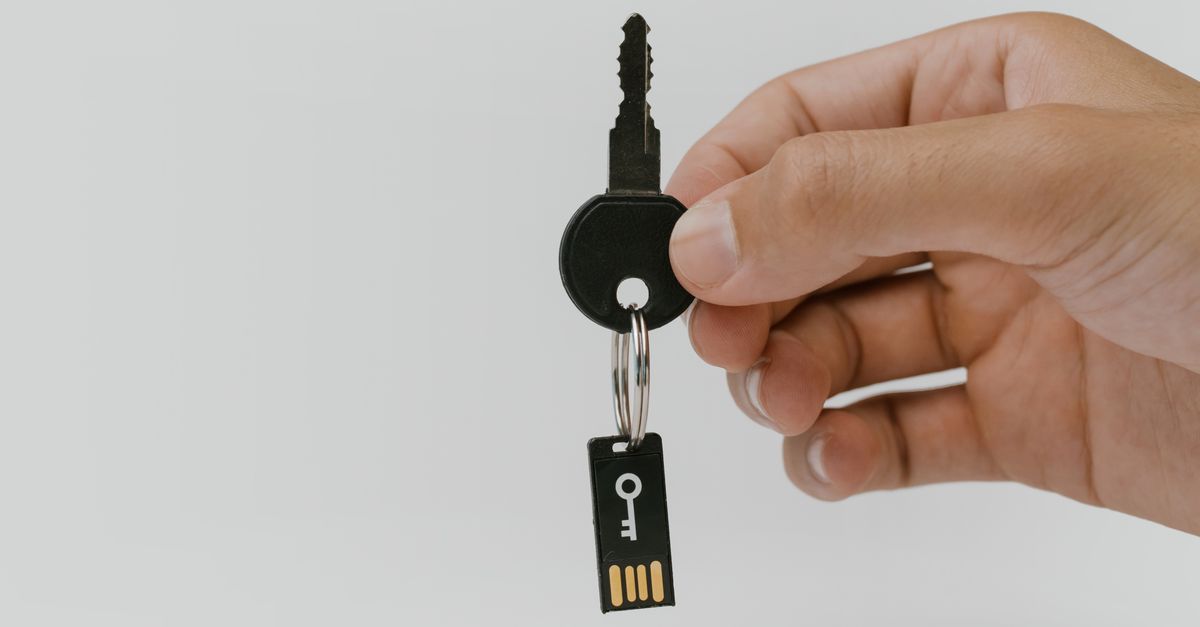
Not all replacement keys are created equal, and the brand of your vehicle is the single biggest factor shaping both the process and the final quote you receive. A basic mechanical key for a late-1990s Ford F-150 requires precision cutting to the factory key code but no electronic programming at all. Move to a 2015 Ford F-150 and you are dealing with a 4D or 80-bit transponder chip that must be synchronized to the vehicle's immobilizer or the engine will crank but refuse to start. Move again to a 2021 F-150 with a proximity smart key and the programming process involves the PATS system, a specialized OBD-II interface, and manufacturer-level software — all of which our mobile technicians carry in their service vans.
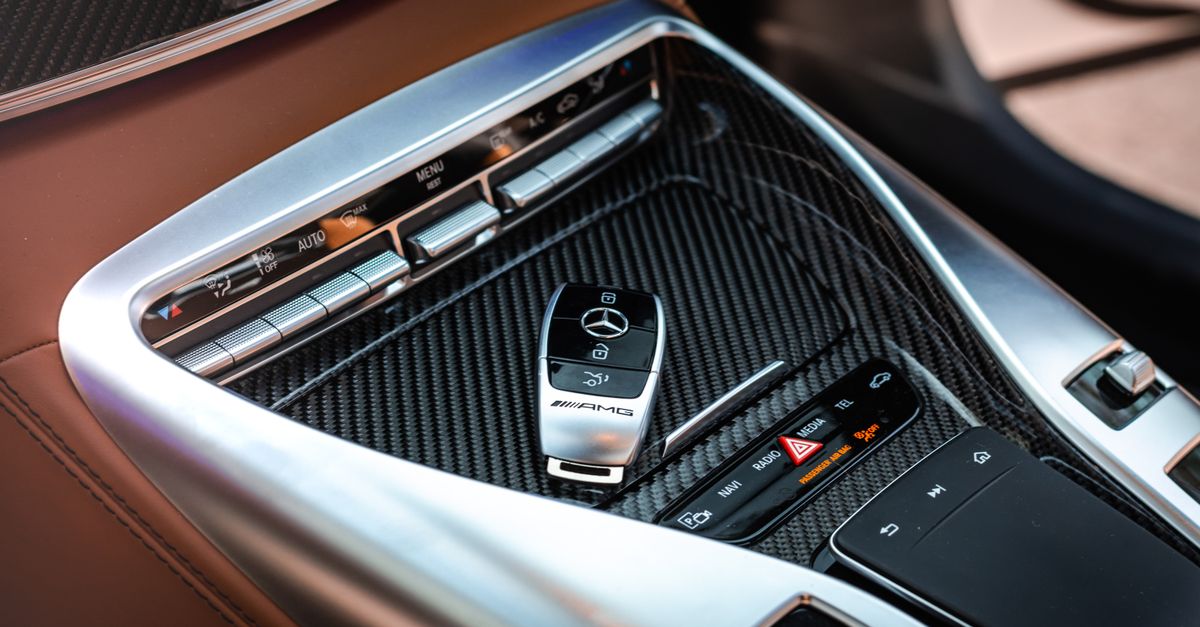
Toyota and Lexus vehicles, extremely common on Houston roads from the Heights to Clear Lake, typically use G or H chip transponders in their cut keys and encrypted rolling codes in their proximity fobs. Honda and Acura models from roughly 2003 onward require a two-step process: the key is cut to the blade profile, then the transponder is cloned or programmed live to the immobilizer. GM vehicles — Chevy, GMC, Buick, Cadillac — shifted from VATS resistor chips to transponder keys and eventually to push-button proximity systems, each generation requiring different tooling. Chrysler, Dodge, Jeep, and Ram vehicles often use the Sentry Key Immobilizer System, which means a new key must be added to the vehicle's stored key list via a PIN-based programming sequence. European brands like BMW, Mercedes-Benz, Audi, and Volkswagen carry some of the most complex key systems on the market — infrared and UHF proximity systems, encrypted challenge-response authentication, and in some cases dealer-level authorization codes that our experienced technicians are fully equipped to navigate.