Why the Mortise Lock Is the Foundation of Serious Access Control
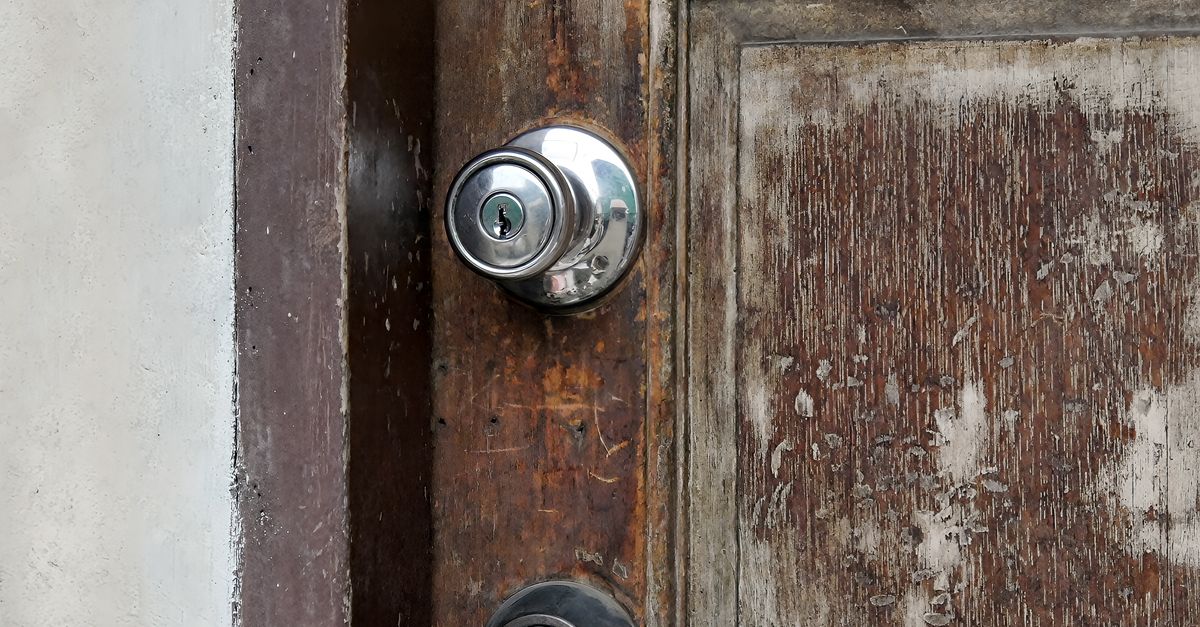
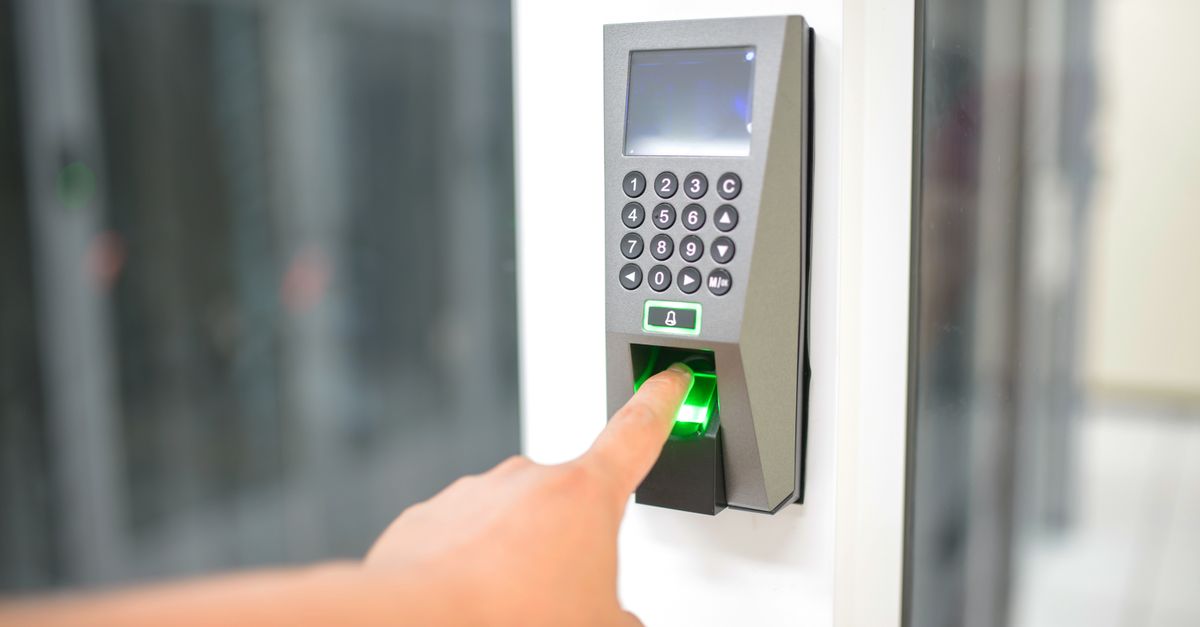
When businesses and property managers in Houston ask about upgrading entry security, we almost always start the conversation with the mortise lock. Unlike a cylindrical door knob lock that sits on the surface of the door, a mortise lock is recessed into a deep pocket cut into the door edge. That internal pocket houses both the latch and deadbolt in a single steel case, leaving almost nothing exposed on the surface for a would-be intruder to attack. When that mortise case is paired with an electronic access control module — a keypad reader, card swipe, or fob sensor — you get a system that is mechanically formidable and electronically programmable at the same time.
For commercial locksmith work on high-traffic doors — a property management office in Sugar Land, a medical clinic near the Texas Medical Center, or a warehouse receiving bay off Beltway 8 — the access control mortise lock is the standard we recommend and install. It handles the mechanical abuse of hundreds of daily uses while the electronic layer lets you issue, revoke, and audit credentials without touching the physical hardware. Our technicians fit mortise locks into steel, aluminum, and solid wood doors, working carefully to preserve the door frame and finish wherever possible.