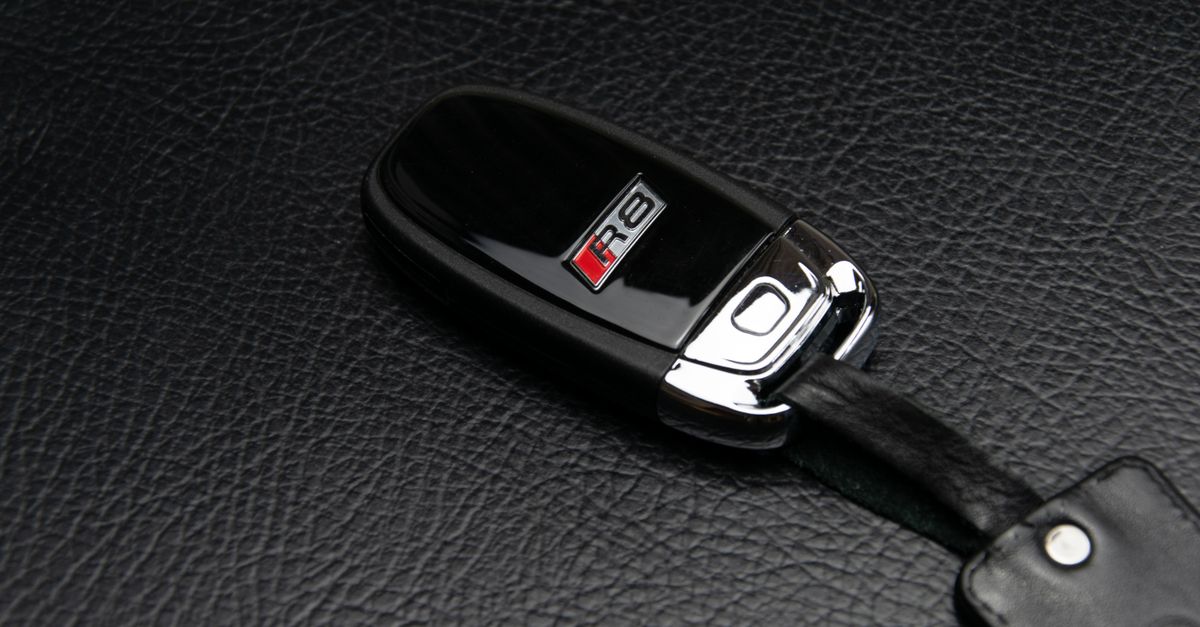
What Makes Audi Key Replacement More Involved Than a Standard Car Key
Audi has layered increasingly sophisticated security into every key it produces. Even a basic key from the early 2000s contains a transponder chip that must be programmed to match the immobilizer module in the vehicle's ECU — without that programming step, the engine will crank but refuse to start. More recent Audi models use encrypted rolling-code transponders, meaning the chip and the car exchange a new handshake signal every time you start the engine. Lose synchronization and the vehicle locks you out entirely. The newest proximity smart keys go further still, using a continuous low-frequency radio field so the car knows you are nearby and unlocks or starts without you pressing a button at all. Each generation requires purpose-built diagnostic and programming equipment — not a hardware-store key duplicator.
Our technicians carry professional-grade automotive key programming tools that communicate directly with Audi's immobilizer and comfort control modules. We can generate a working key from scratch — what the industry calls cutting and programming a key 'by code' — even when there is no working key left to copy from. That capability is what separates a qualified mobile locksmith from a general key shop, and it is also what makes us a practical alternative to the dealership. Dealer service appointments can stretch days out and typically involve towing the vehicle; we aim to resolve most Audi key situations on-site, often the same day you call.